


HSG

HSG is a specialized imaging procedure used to examine the uterus and fallopian tubes, mainly to evaluate female reproductive health and fertility.

What is an HSG

HSG (Hysterosalpingography) is a diagnostic imaging test that uses X-rays and a special contrast dye to visualize the inside of the uterus and fallopian tubes. During the procedure, the contrast dye is gently introduced into the uterus through the cervix, and X-ray images are taken as the dye flows through the reproductive organs.


This allows doctors to assess the shape of the uterus and check whether the fallopian tubes are open or blocked. HSG is commonly performed as part of fertility investigations and helps identify structural problems that may affect conception.

What is an HSG Used For?

Checking if fallopian tubes are open or blocked

Evaluating the shape and structure of the uterus

Investigating causes of infertility

Detecting uterine abnormalities such as fibroids or polyps

Identifying scarring or adhesions in the reproductive tract

Assessing results after tubal surgery or treatment
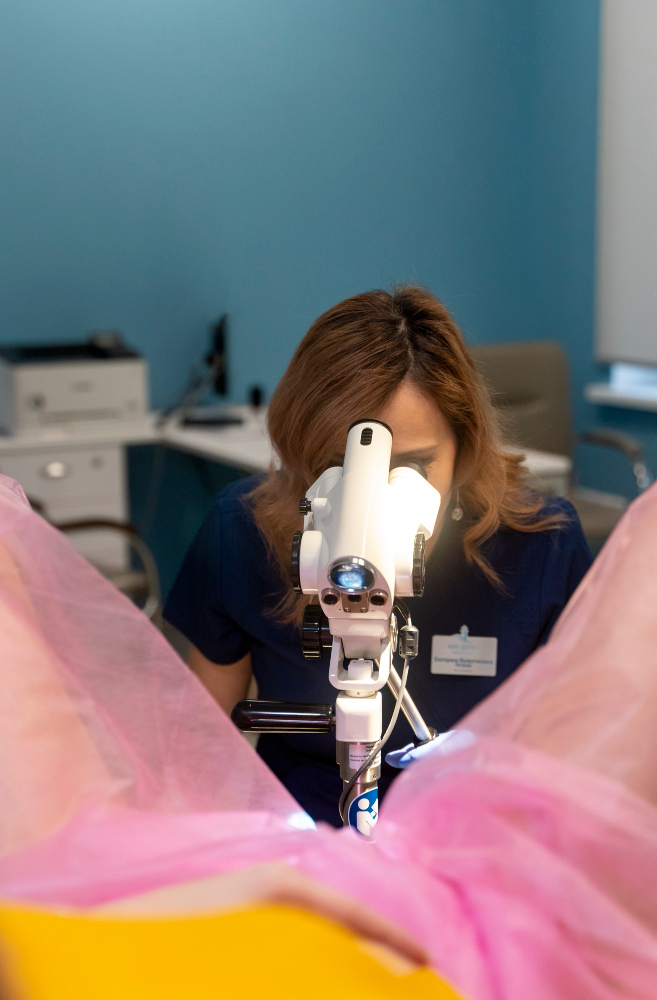
Our HSG Process

An HSG test involves using contrast dye and X-ray imaging to evaluate the female reproductive system. The process generally involves:

  • Preparation

    The test is usually scheduled after the menstrual period and before ovulation. The patient may be asked to take mild pain relief and empty the bladder before the procedure.

  • Contrast Injection

    A thin tube is inserted through the cervix, and a contrast dye is slowly injected into the uterus.

  • Imaging

    As the dye flows through the uterus and fallopian tubes, X-ray images are taken to track its movement and detect any blockages or abnormalities.

  • Image Review

    The images are reviewed by a radiologist or gynecologist to assess uterine structure and tubal patency.

Scroll to Top