

USG Guided FNAC / Biopsy
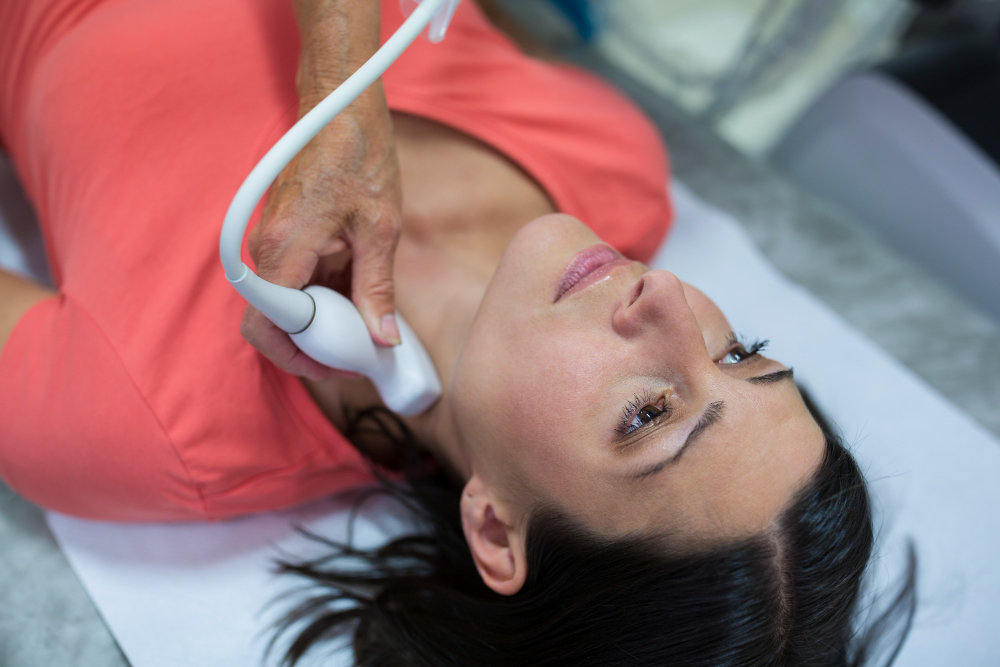
USG guided FNAC / Biopsy is a minimally invasive procedure used to collect tissue or cell samples from abnormal areas in the body with the help of ultrasound imaging.
What is USG Guided FNAC / Biopsy
USG guided FNAC (Fine Needle Aspiration Cytology) or Biopsy is a diagnostic procedure in which ultrasound imaging is used to precisely locate a lump, mass, or abnormal tissue. Under real-time ultrasound guidance, a thin needle is inserted into the targeted area to collect cells (FNAC) or a small tissue sample (biopsy).
The collected sample is then sent to a laboratory for microscopic examination. This procedure helps doctors accurately diagnose infections, inflammations, benign conditions, or cancers. Since ultrasound is used for guidance, the procedure is safe, precise, and does not involve radiation.
What is USG Guided FNAC / Biopsy Used For?

Diagnosing lumps or swellings in organs and soft tissues

Evaluating thyroid nodules and neck masses

Investigating causes of infertility
Assessing liver, kidney, or lymph node lesions

Differentiating between benign and malignant growths

Guiding treatment planning and monitoring disease progression
Our USG Guided FNAC / Biopsy Process
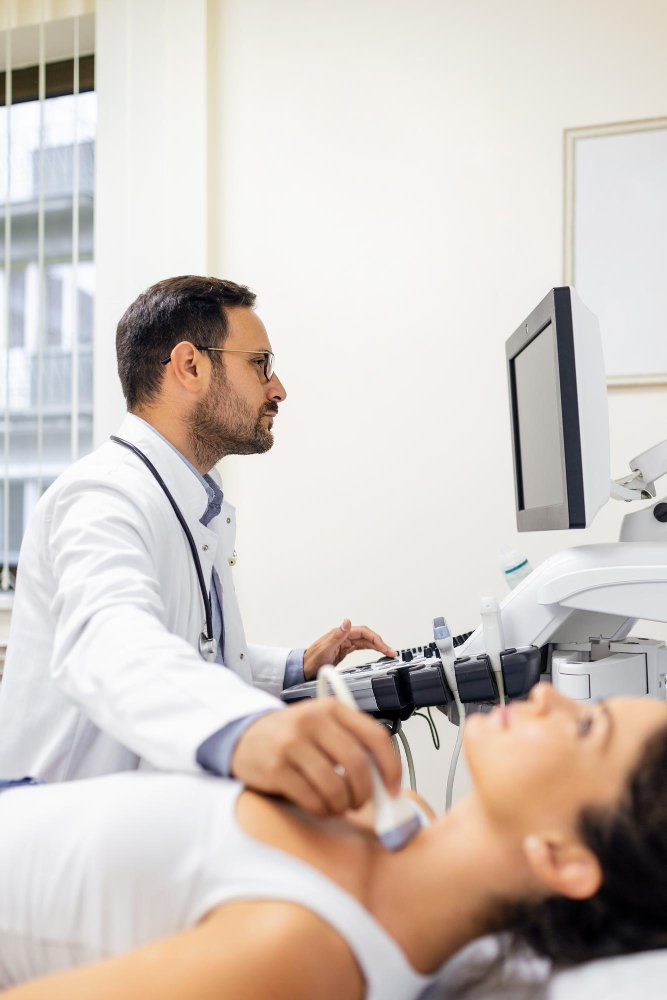
The procedure involves using ultrasound to guide needle placement for sample collection. The process generally includes:
Preparation
The area to be examined is cleaned, and the patient is positioned comfortably. In some cases, local anesthesia may be applied.
Ultrasound Guidance
Ultrasound is used to locate the exact position of the abnormal tissue in real time.
Needle Sampling
A fine needle is carefully inserted into the targeted area to collect cell or tissue samples.
Sample Analysis
The collected sample is sent to the laboratory, and the results are reviewed by a pathologist and doctor for diagnosis.
